
Green Power Investment Return Analysis: Economic Strategy of Coordinated Layout of New and Old Energy
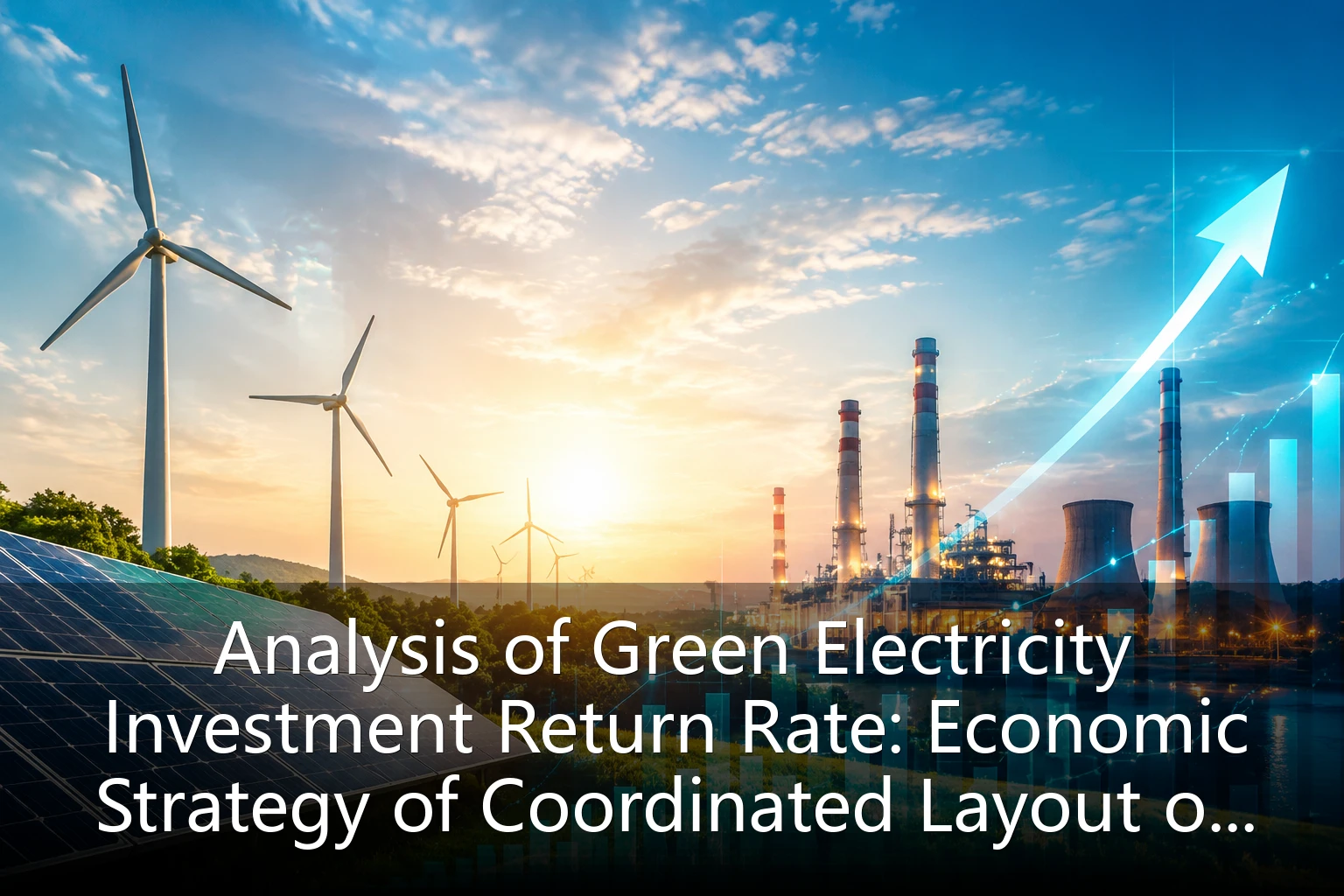
With the advancement of global carbon neutrality goals, energy structure transformation has become a key issue in economic development. In Thailand, as an important energy producer and consumer in Southeast Asia, how to balance the development of traditional and new energy to achieve a dual balance between energy security and environmental protection has become a major challenge for the government and enterprises. This article will analyze from the perspective of green power investment return rate why it is necessary to simultaneously develop both new and old energy, and the strategic significance of such coordinated layout.
I. Current Situation Analysis of Green Power Investment Return Rate
In recent years, with technological advancement and economies of scale, the return rate on green power investment has significantly improved. The costs of renewable energy such as solar and wind power have continued to decline, achieving grid parity in many regions, and even lower than the cost of traditional fossil fuel power generation. According to data from the International Renewable Energy Agency (IRENA), from 2010 to 2025, the global cost of solar photovoltaic power generation has decreased by about 85%, and the cost of onshore wind power has decreased by about 56%. This cost reduction has significantly increased the return rate on green power investment, attracting a large amount of capital inflow.
However, the return rate on green power investment still faces some challenges. Firstly, green power has intermittency and instability, requiring supporting energy storage facilities and grid transformation, which increases investment costs. Secondly, green power projects have large upfront investments and long payback periods, requiring strong financial strength. Additionally, the level of policy support for green power varies in different regions, affecting the investment return rate.
Taking the Thai market as an example, according to the latest weekly energy market report released by the Thai Ministry of Energy in 2026, although the costs of solar and wind power generation continue to decline, the popularization rate of energy storage technology is still limited, constraining the return rate on green power investment in some regions. Especially in areas with alternating rainy and dry seasons, the volatility of photovoltaic power generation is more obvious, increasing investment risks.
II. Comparative Analysis of New and Old Energy
From an economic perspective, although traditional energy faces the pressure of rising carbon costs, it still has advantages in energy density, stability, and infrastructure. New energy is more competitive in terms of environmental protection, sustainability, and long-term costs. Both have their own strengths in economics and need to be reasonably configured according to the resource endowments and energy needs of different regions.
From a security perspective, the traditional energy supply chain is mature and stable, but geopolitical factors may lead to price fluctuations and supply risks. New energy relies on natural resource distribution and is greatly affected by geographical location, but the development of distributed energy can improve the resilience and risk resistance of the energy system. Global crude oil supply and demand data in 2026 shows that geopolitical tensions remain an important factor affecting oil prices, making diversified energy layout particularly important.
From a sustainability perspective, new energy is the inevitable choice for low-carbon transition, in line with the global carbon neutrality trend. Traditional energy will still be an important pillar of energy supply in the short term, but its carbon emission problem cannot be ignored. The continuous increase in carbon quota trading prices is gradually increasing the use cost of traditional energy and enhancing the competitiveness of new energy.
III. PTT Group's Practice of Coordinated Layout of New and Old Energy
PTT Public Company Limited, as one of the largest energy enterprises in Southeast Asia, is actively implementing a coordinated layout strategy of new and old energy. On one hand, PTT continues to optimize traditional oil and gas businesses, improve energy utilization efficiency, and reduce carbon emissions; on the other hand, it vigorously invests in renewable energy, including solar, wind, and bioenergy.
PTT's "dual-track strategy" reflects a deep understanding of energy transition. In terms of traditional energy, PTT improves oil and gas extraction efficiency and reduces carbon emissions through technological innovation; in terms of new energy, PTT accelerates the development of renewable energy through strategic investment and technological cooperation. This coordinated layout not only ensures energy security but also lays the foundation for the long-term development of the enterprise.
According to PTT's latest financial report released in 2026, the company's investment in the renewable energy sector accounts for 30% of total investment, and this proportion is expected to increase to 50% by 2030. Especially in the northeastern region of Thailand, PTT's large-scale solar project developed in cooperation with local communities not only provides stable power supply but also creates employment opportunities for local residents, achieving a win-win of economic and social benefits.
IV. Impact of Policy Environment on Energy Layout
Carbon quota trading price is an important factor affecting energy layout. With the gradual establishment and improvement of global carbon markets, rising carbon prices will increase the use cost of traditional energy and enhance the competitiveness of new energy. As one of the ASEAN countries, Thailand is actively promoting the construction of carbon markets, which is expected to have a profound impact on the energy structure.
According to policy documents released by the Thai Ministry of Energy in 2026, Thailand plans to establish a national carbon trading market by 2027, initially covering major emission industries such as electricity, industry, and transportation. This policy will significantly change the economics of energy investment and promote enterprises to accelerate low-carbon transformation.
In addition, government support policies for new energy, such as subsidies and tax incentives, will also affect the return rate on green power investment. While promoting the development of new energy, these policies also need to consider fiscal sustainability and market fairness. Thailand's recently introduced Feed-in Tariff (FIT) policy for renewable energy has already helped solar and wind power projects achieve good investment returns, attracting more private capital into this field.
V. Future Energy Market Trends and Investment Strategies
The future energy market will show a pattern of coordinated development of new and old energy. On one hand, new energy will continue to maintain rapid growth, and technological advancement and economies of scale will further reduce costs; on the other hand, traditional energy will continue to play an important role for a long period, especially in the early stages of energy transition and in specific fields.
According to predictions from global energy market analysis agencies, by 2030, renewable energy will account for 40% of the global energy structure, while fossil fuels will account for about 60%. This transformation process will bring rich opportunities for investors, but also accompanied by corresponding risks.
For investors, adopting an "equal emphasis on new and old" investment strategy may be the best choice. On one hand, focus on the low-carbon transformation of traditional energy companies and invest in those traditional energy companies that are actively developing new energy; on the other hand, directly invest in competitive new energy projects, especially solar and wind power projects that have achieved grid parity.
In addition, investment in energy infrastructure and energy storage technology is also worthy of attention. With the increase in the proportion of new energy, grid upgrades and energy storage demand will increase significantly, bringing huge business opportunities for the related industrial chain.
VI. Conclusion: Coordinated Layout Achieves Energy Security and Carbon Neutrality
From the perspective of green power investment return rate, simultaneously developing both new and old energy is the inevitable choice. Although new energy has advantages in economics, environmental protection, and sustainability, it still faces challenges in energy density, stability, and infrastructure. Although traditional energy has problems in carbon emissions, it still plays an irreplaceable role in energy security and economics.
The practices of energy companies such as PTT Group show that the coordinated layout of new and old energy can achieve the dual goals of energy security and carbon neutrality, creating long-term value for enterprises. In the future, with technological advancement and policy improvement, the competitiveness of new energy will be further enhanced, but traditional energy will still play an important role for a long period.
Therefore, for energy companies and investors, it is necessary to balance short-term interests and long-term development, reasonably allocate new and old energy assets, seize the opportunities brought by energy transformation, respond to challenges, and achieve sustainable development. In the context of energy transformation, only those enterprises that can flexibly adjust strategies and actively embrace change can remain invincible in the future energy market.